8 hr
Old & New Delhi Private Half or Full-Day Tour
- Private experience
- Personal attention
- Premium amenities
- Free cancellation
Humayun's Tomb — Reserved Entry & Guided Garden Walks
Red sandstone holds the morning, marble keeps the light.
Compare fares, pick the fit — all bookings are mobile-voucher and eligible for free cancellation where shown.
8 hr
8 hr
8 hr
| Experience | Duration | Rating | Transfers | Pickup | Guide | Free cancel. | Price | |
|---|---|---|---|---|---|---|---|---|
|
Luxury / Private
Most popular
Old & New Delhi Private Half or Full-Day Tour
|
8 hr | ★ 4.9 | — | ✓ | ✓ | ✓ | €2 | Book → |
|
Luxury / Private
Old & New Delhi Private Full-Day Guided Tour
|
8 hr | ★ 4.9 | ✓ | ✓ | ✓ | ✓ | €7 | Book → |
|
Luxury / Private
Private Skip-the-Line Humayun's Tomb Tour with Hotel Transfers
|
8 hr | ★ 4.8 | ✓ | ✓ | ✓ | ✓ | €6 | Book → |
Worth it for anyone who likes Mughal architecture
Humayun's Tomb Tickets cost 600 INR for foreign adults at the gate, and that single fee covers a walled complex far larger than the main mausoleum — Isa Khan's octagonal tomb, the Bu Halima garden, the Barber's Tomb, and the charbagh water channels that set the template later refined at Agra. The Aga Khan Trust restoration work is the real argument for the price: recut sandstone inlay, rebuilt domes, and replanted gardens that most Delhi landmarks simply don't have money for. Compared with the crush at other UNESCO heritage sites in the city, this Nizamuddin complex stays relatively calm, especially in the 06:30–08:30 arrival window. Photographers and anyone drawn to Indo-Islamic architecture get clear value; travellers who only want a quick photo stop will feel the fee. Skip-the-line Delhi monument passes rarely beat buying Humayun's Tomb Tickets tickets directly at asi.payumoney.com.
Bottom line: If Mughal architecture interests you at all, a Humayun's Tomb Tickets tour repays the 600 INR several times over — book it, arrive at opening, and give it real time rather than treating it as a stop between other Delhi landmarks.
If you have one half-day slot in Delhi, most travelers who visit both call Humayun's Tomb the calmer, more photogenic stop, while Red Fort wins for scale and imperial history — buying Humayun's Tomb Tickets first thing in the morning still leaves time for a Red Fort visit later the same day.
|
Top pick Humayun's Tomb |
Red Fort | |
|---|---|---|
| Architectural style | Mughal garden-tomb, Persian charbagh symmetry | Mughal fort, red sandstone bastions |
| Crowd levels | Moderate, thins after 8:30 AM | Heavy, especially midday and weekends |
| Best time of day | 06:30–08:30, cool and quiet | Early morning or 4–6 PM, cooler light |
| Photography conditions | Open garden views, symmetrical long shots | Courtyard and wall shots, more foot traffic in frame |
| Entry fee | 600 INR (foreign adult) | 600 INR (foreign adult) |
| Time needed | 1.5–2 hours | 2–3 hours |
| Metro accessibility | JLN Stadium station, ~1.5 km, rickshaw needed | Lal Quila station, adjacent to entrance |
| See tickets & prices |
Verdict: Choose Humayun's Tomb for a quieter, garden-set morning with easier photography, and Red Fort for a longer, more crowded walk through the seat of Mughal imperial power.
Hand-picked experiences loved by thousands of travelers
3 hours
Free Cancellation
Explore Delhi's UNESCO-listed Mughal masterpiece with a private local guide over 3 immersive hours.
5 hours
Free Cancellation
Private AC car tour of Delhi's Mughal treasures with a local guide, hotel pickup included.
6 hours
Free Cancellation
Guided 6-hour Delhi tour of India Gate, Humayun's Tomb and Qutub Minar with A/C transport.
8 hours
Free Cancellation
8-hour guided journey through Delhi's ancient lanes, sacred temples, and iconic monuments.
10 hours
Free Cancellation
A 10-hour private tour through Old and New Delhi's iconic UNESCO sites, with lunch included.
8 hours
Free Cancellation
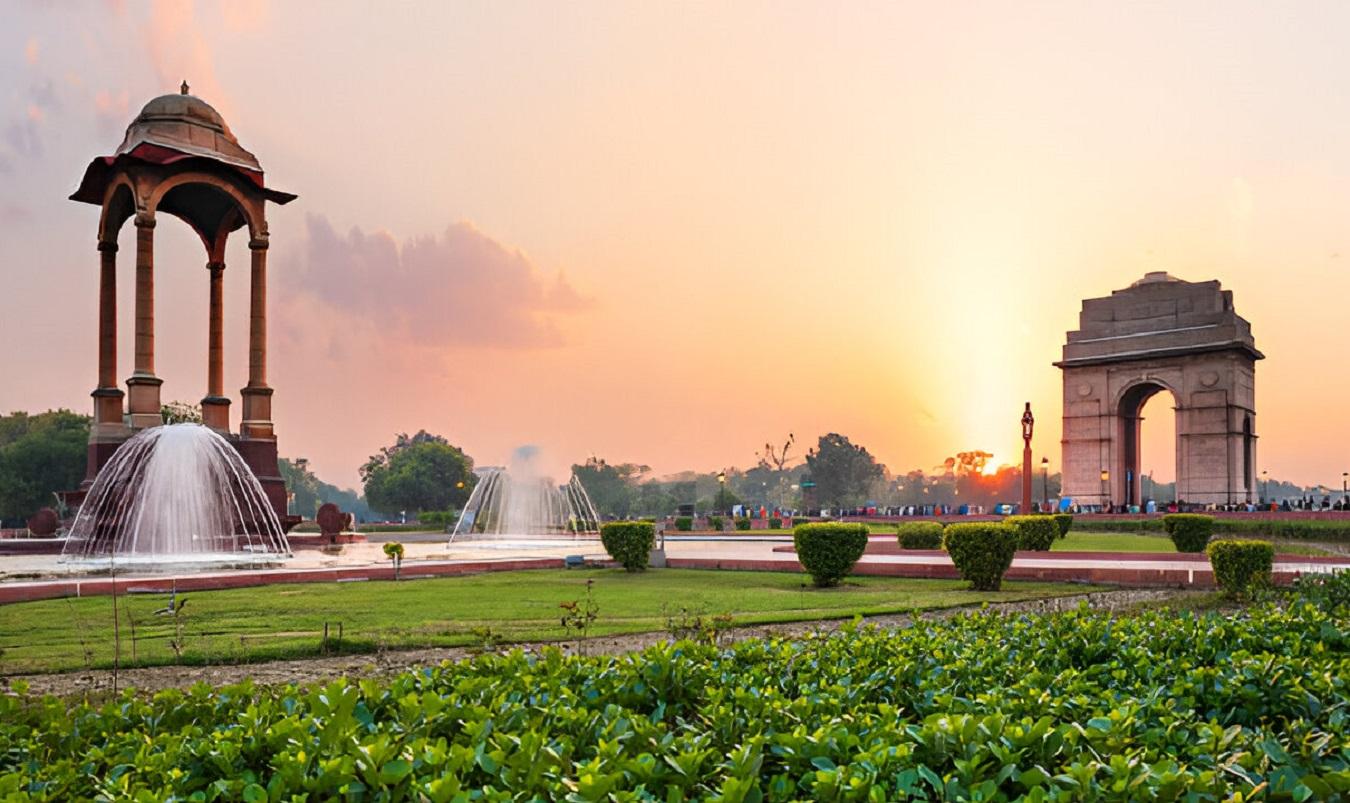
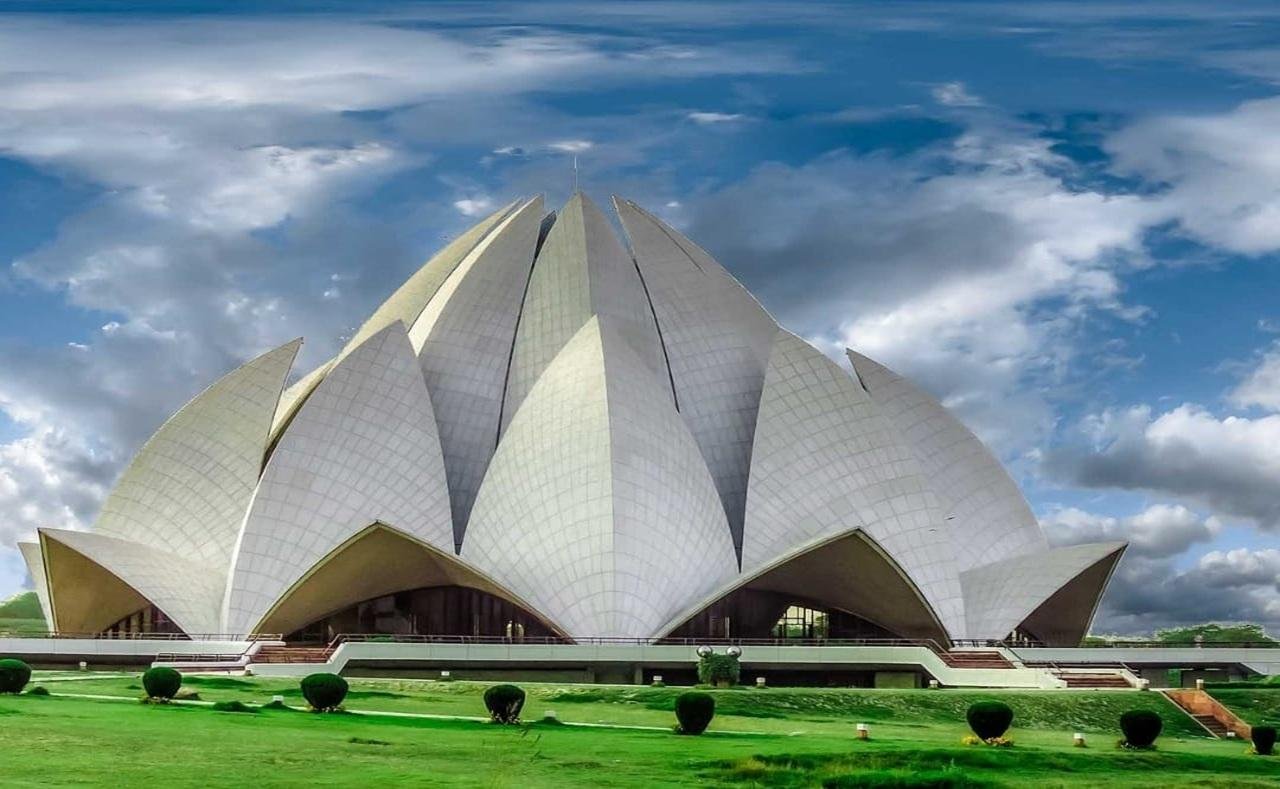
A full day from Old Delhi's spice bazaars to Qutub Minar, India Gate & Lotus Temple.
You reach the ticket gate on Mathura Road early, ideally between 06:30 and 08:30, when the temperature is bearable and the mid-morning tour groups have not yet formed. Foreign adult entry is 600 INR at the gate; holding Humayun's Tomb Tickets in advance on your phone spares you the queue at the counter.
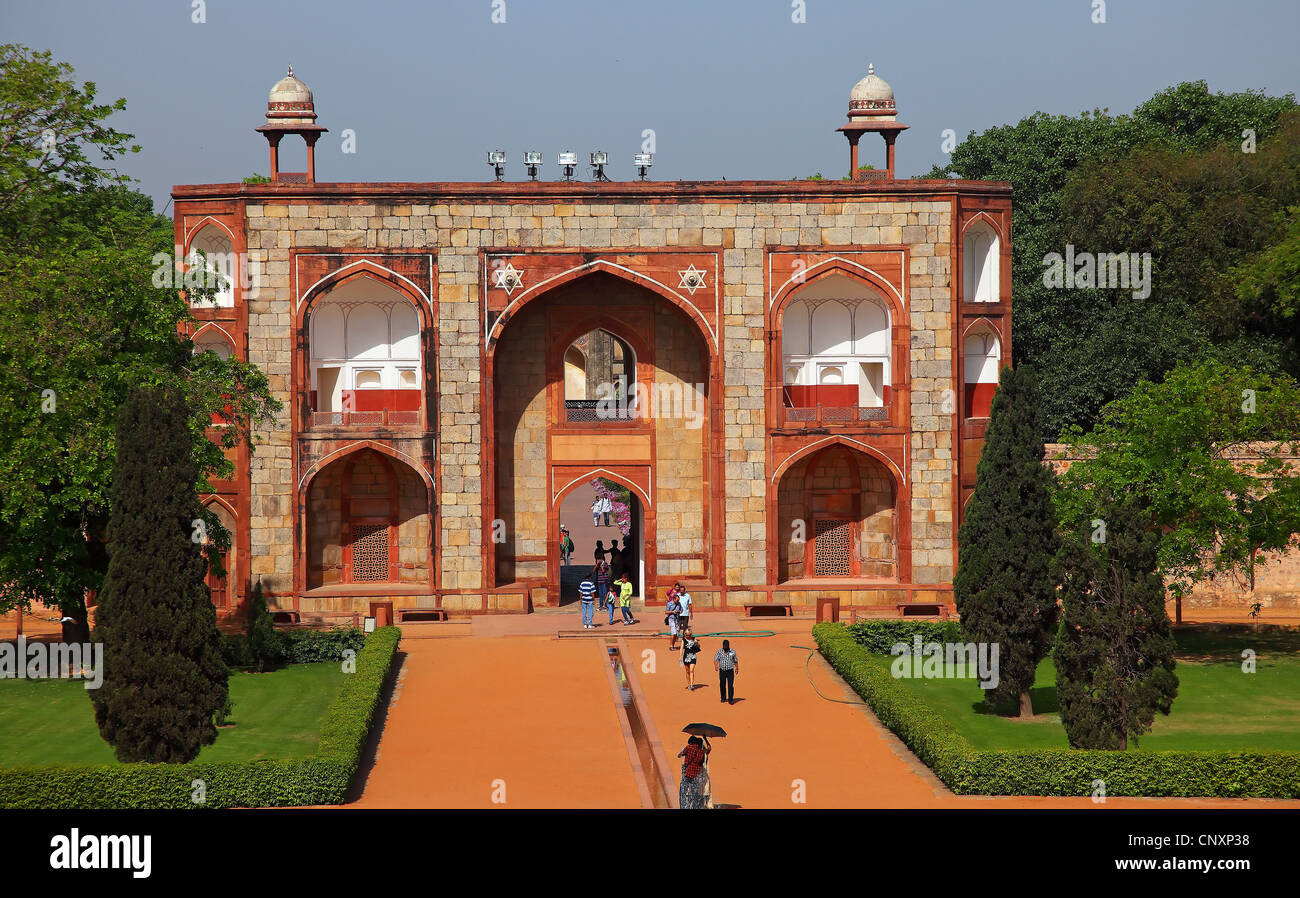
You pass Isa Khan's octagonal enclosure first — most people walk straight past it, so you have the sunken garden almost alone. Then the long approach: two gateways, a bend in the path that hides the mausoleum until the last moment, and the reveal across the charbagh. You cross the water channels on raised causeways. Sandstone at this hour reads orange rather than red.
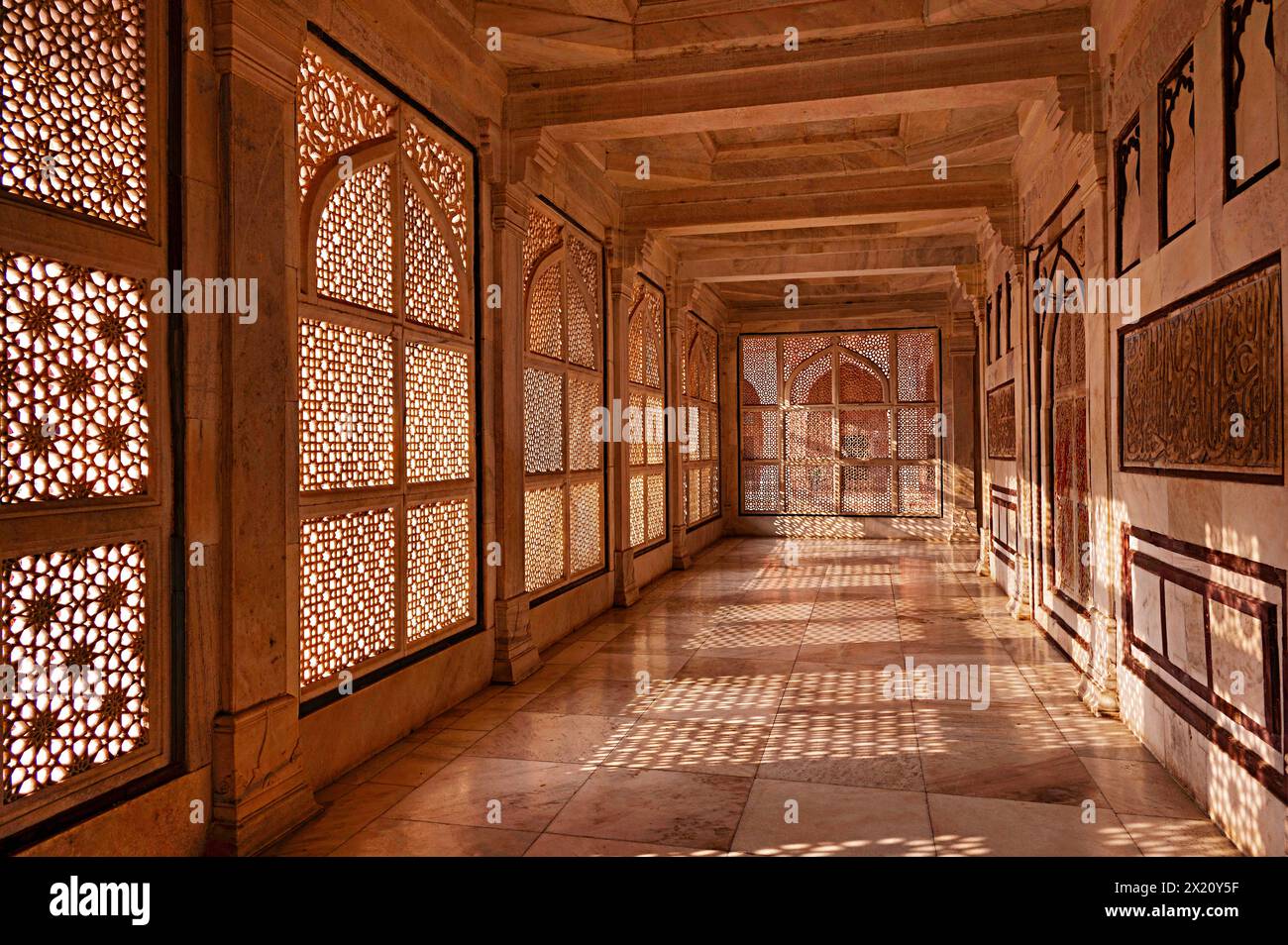
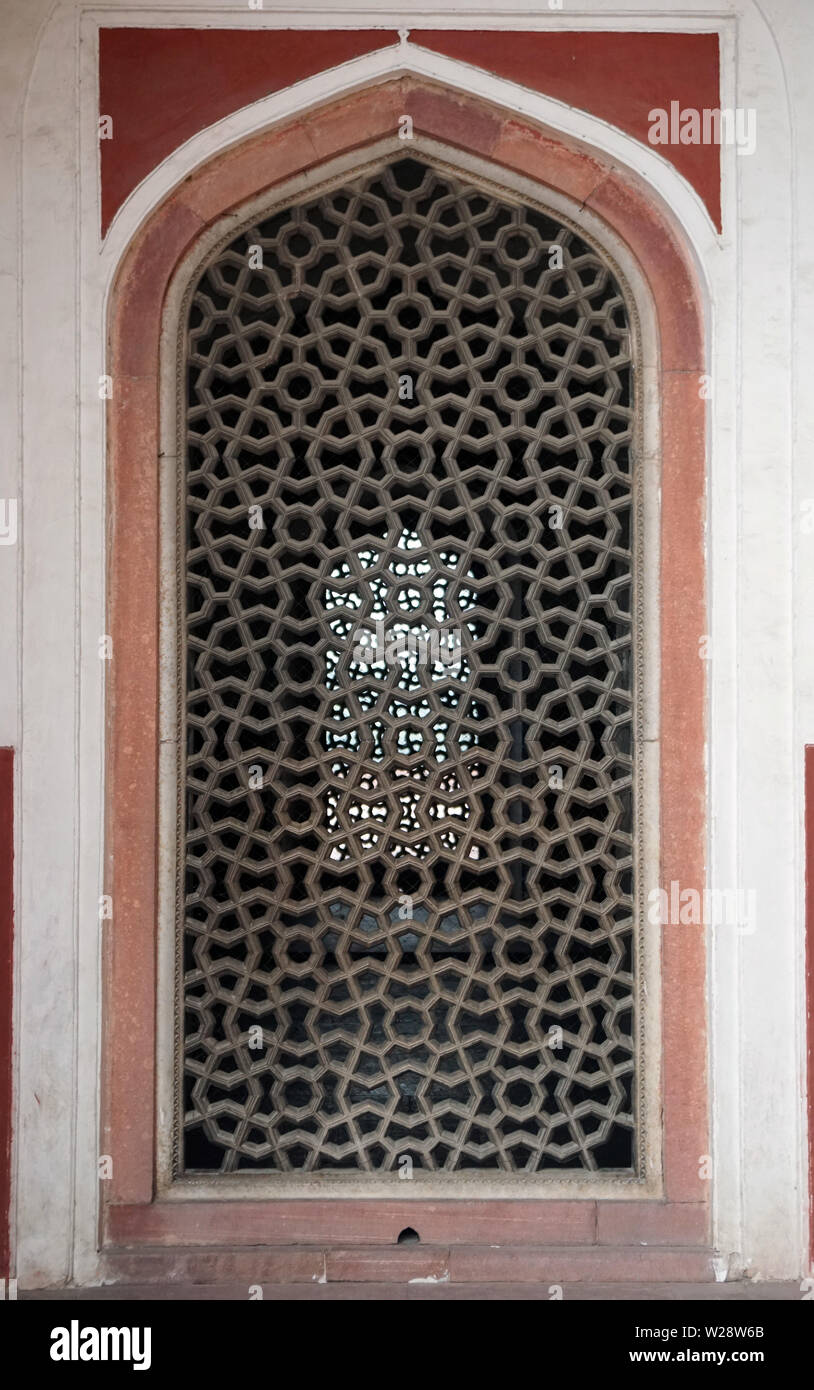
You climb the plinth steps and walk the terrace, counting arched cells along the base. Inside the chamber the air drops several degrees. The cenotaph sits under the dome; the jaali screens throw lattice shadows that shift while you stand there. You circle the interior once, then step back out to the terrace and follow the corner chhatris around for the view over the garden and, north, the blue-tiled Nila Gumbad.
Before leaving you turn southeast to the Barber's Tomb, quiet and rarely crowded. By the time you exit through the west gate near 09:30, the coaches are arriving. Gates close at 18:00 if you prefer returning for the softer light of late afternoon.
All the details about your upcoming adventure in one place
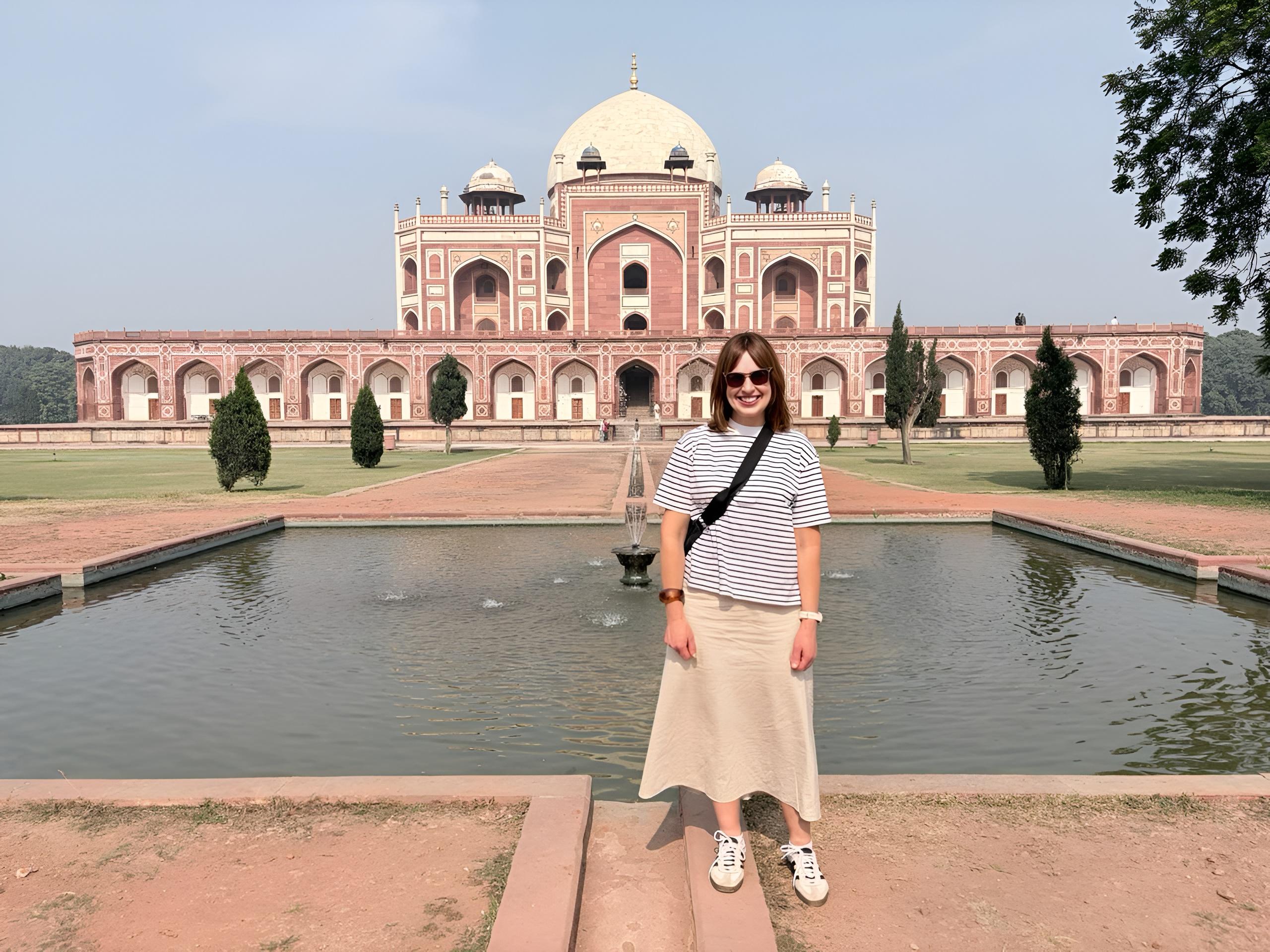
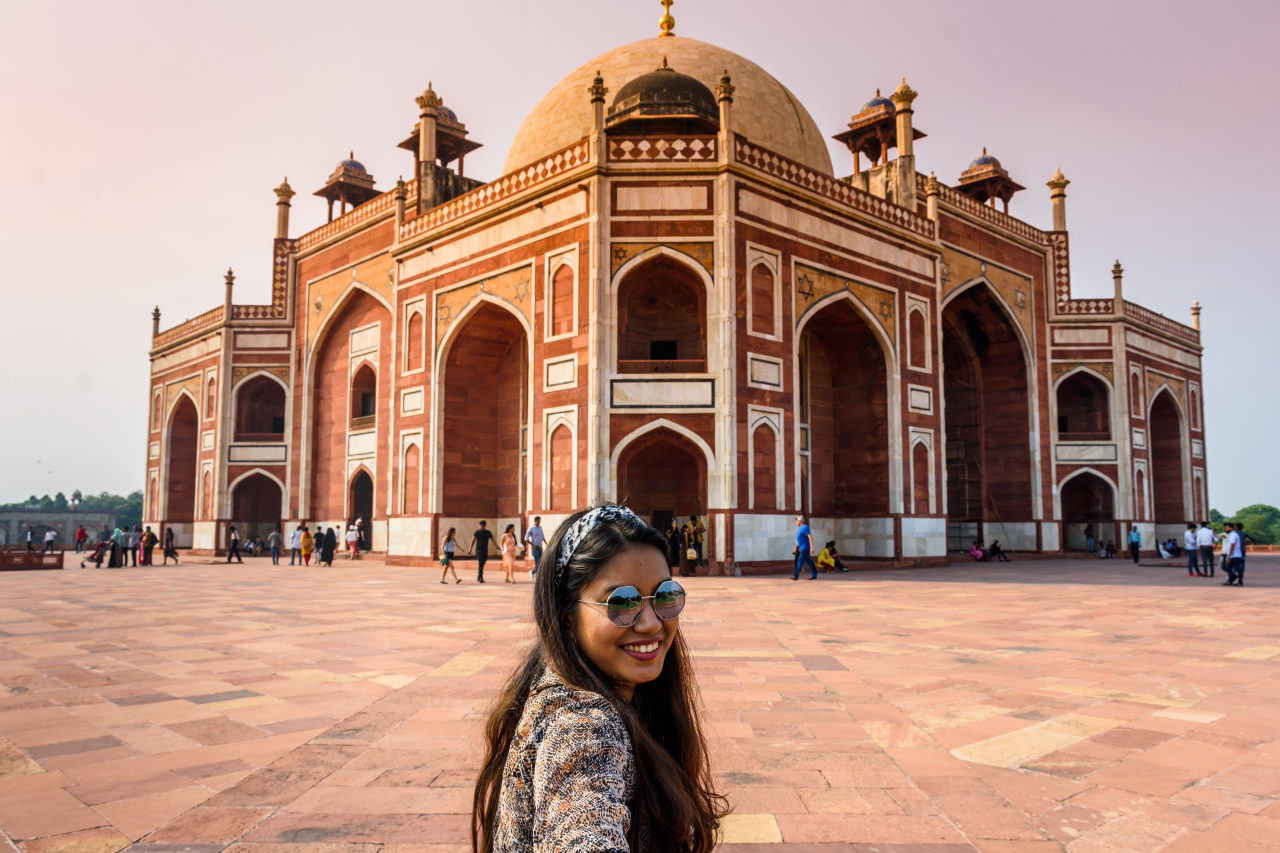
Built in the 1560s under Empress Bega Begum, this red sandstone and white marble mausoleum was the first garden-tomb on the Indian subcontinent and a UNESCO World Heritage Site since 1993. Humayun's Tomb Tickets grant entry to the charbagh gardens, the central double-domed chamber, and the surrounding Mughal-era structures including Isa Khan's octagonal tomb and the Barber's Tomb. Skip-the-line Humayun's Tomb Tickets tours are available with licensed guides who explain the Persian architectural influences that later shaped the Taj Mahal.
A widow commissioned it. Bega Begum, having lost her husband Humayun to a fall down the stairs of his Purana Qila library in 1556, ordered a mausoleum for him nine years later — the first monumental garden-tomb built in the Indian subcontinent, and the template that four generations later would produce the Taj Mahal.
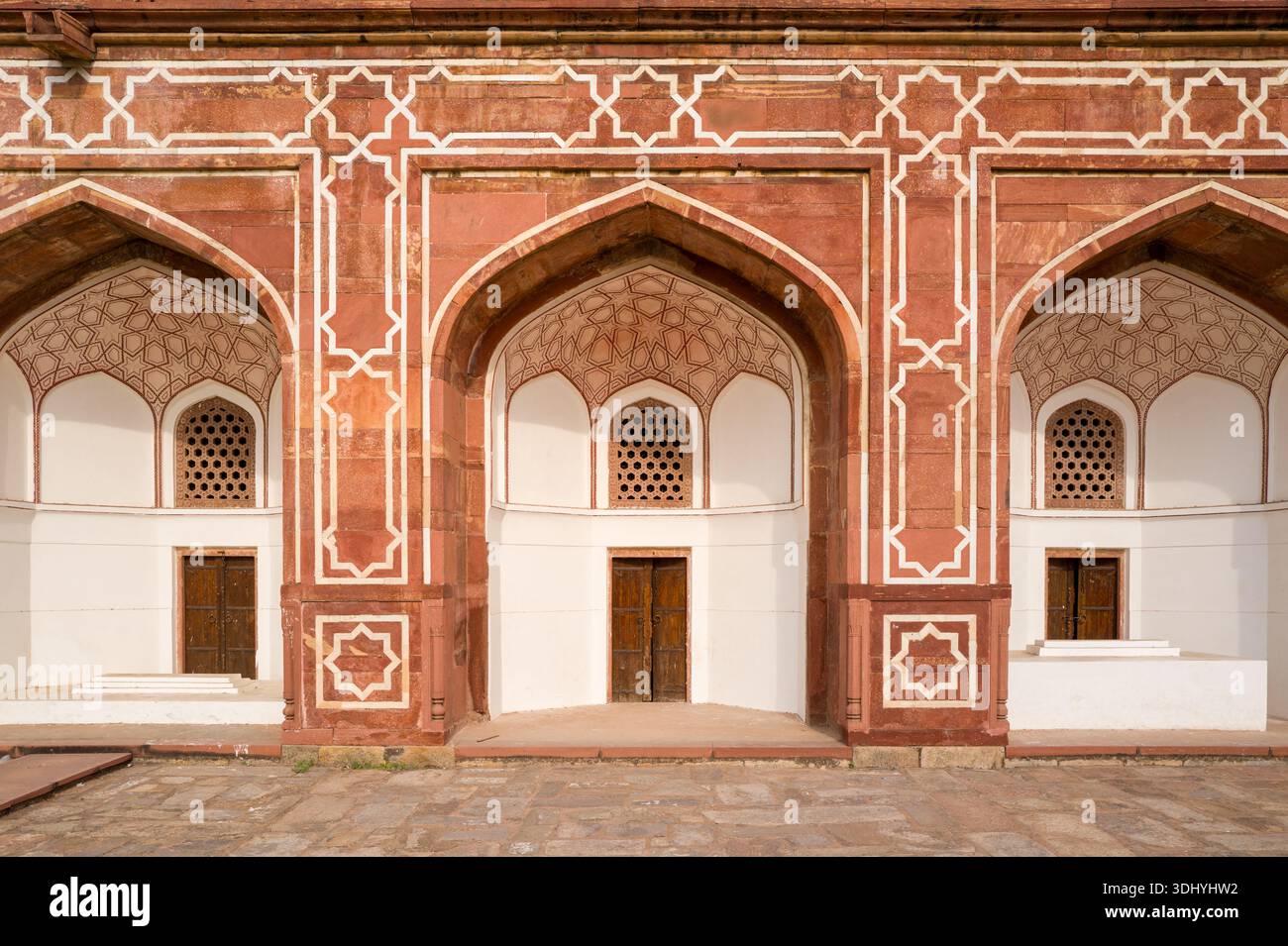
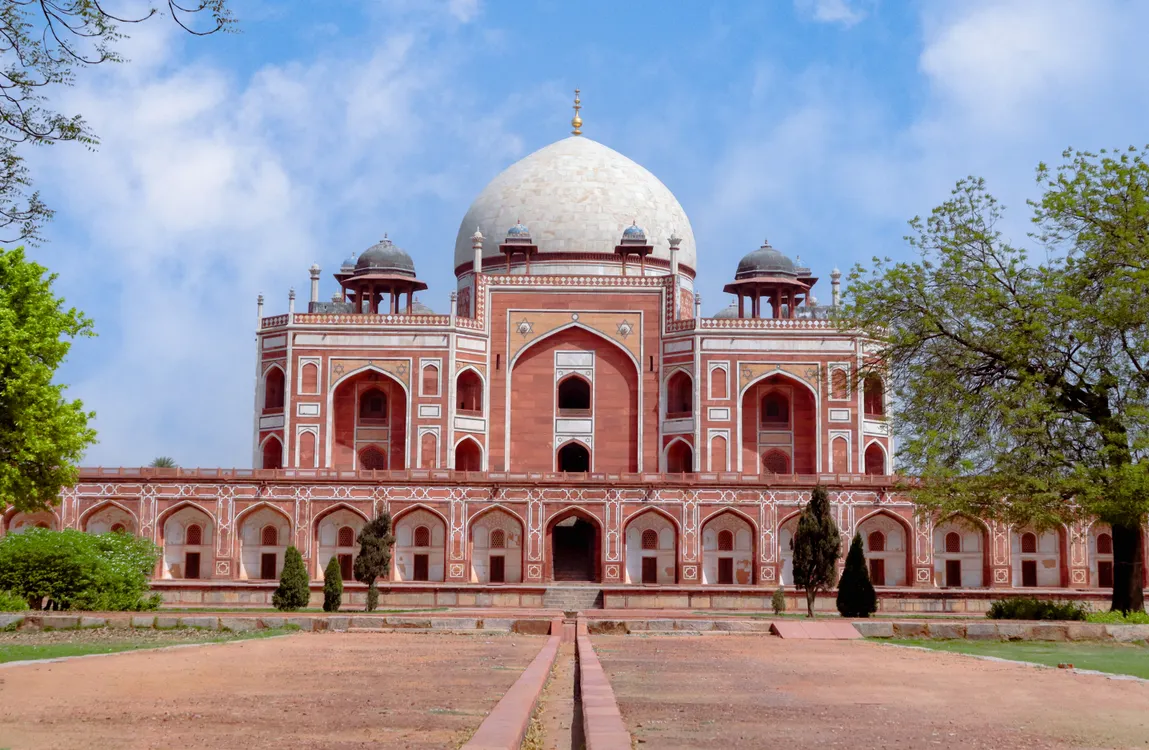
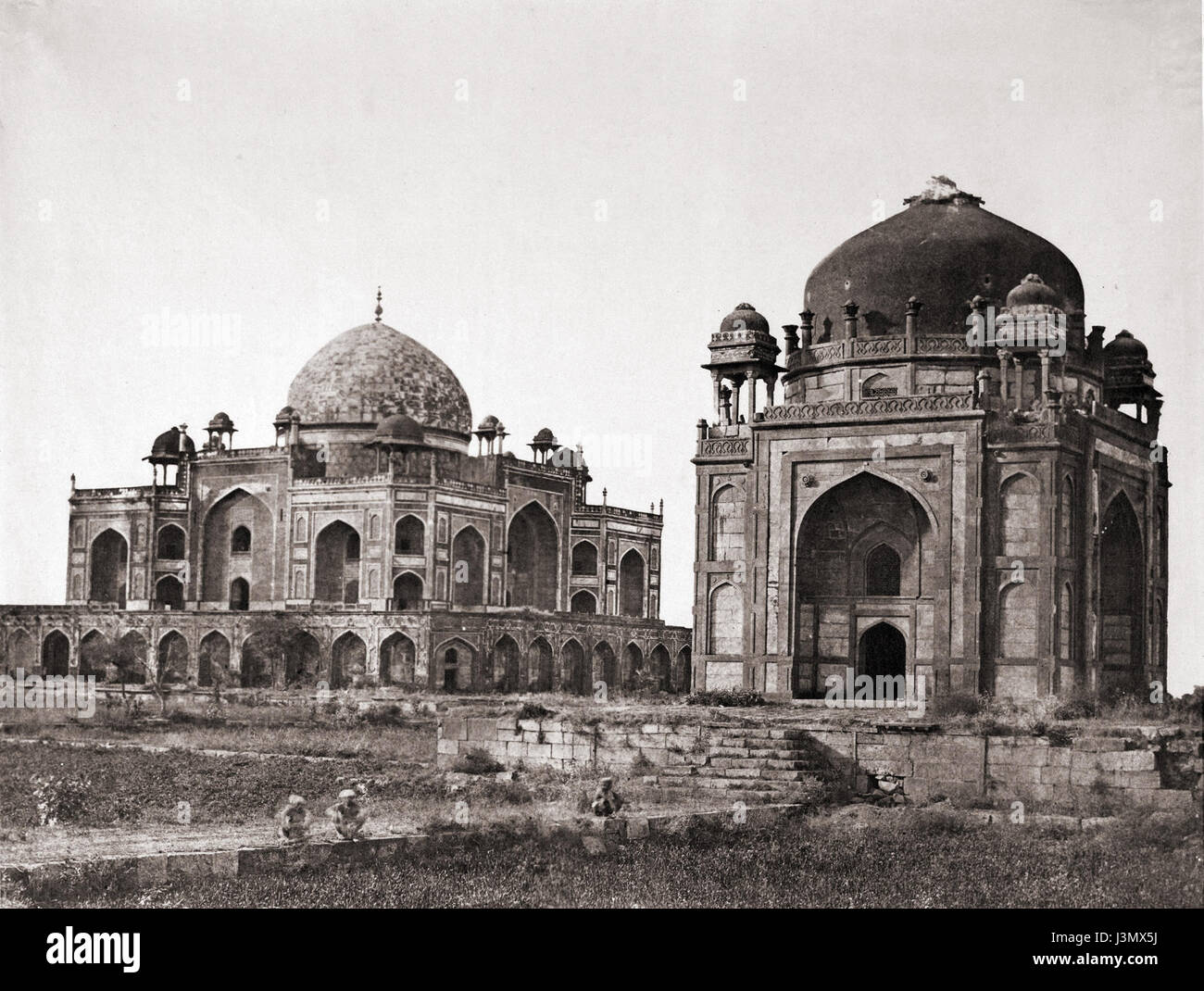
The architect was Mirak Mirza Ghiyas, brought from Herat, and his vocabulary was Persian: a charbagh garden quartered by water channels, a high plinth, a double dome, a facade of red sandstone inlaid with white and black marble. What he built on the bank of the Yamuna became a dynastic necropolis. More than a hundred Mughals lie within the enclosure, which is why the site is sometimes called the dormitory of the House of Timur. Bahadur Shah Zafar, the last emperor, was captured here by Captain William Hodson in September 1857, and the arrests that followed ended three centuries of Mughal rule on this ground.
Today the monument matters as much for its restoration as its origin. The Aga Khan Trust for Culture, working with the Archaeological Survey of India, spent years lifting a million kilograms of concrete off the roof, recutting sandstone by hand, and refilling the water channels that had run dry for a century. Master craftsmen relearned techniques from the sixteenth-century stone itself. UNESCO inscribed the site in 1993; the surrounding Sunder Nursery and the Nizamuddin basti conservation work extended the project outward into a living urban heritage park rather than a fenced relic. Visitors buying Humayun's Tomb Tickets are entering that restored landscape, not a ruin.
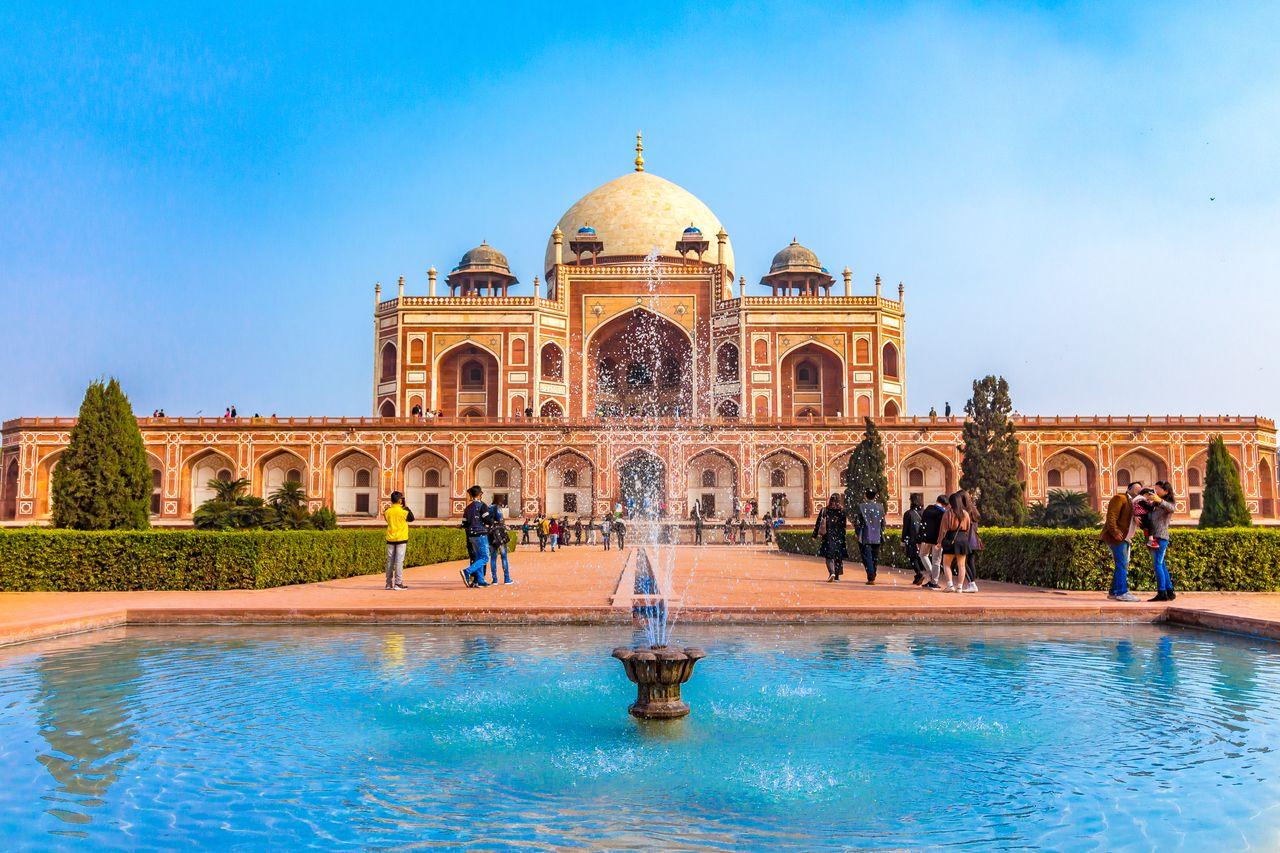
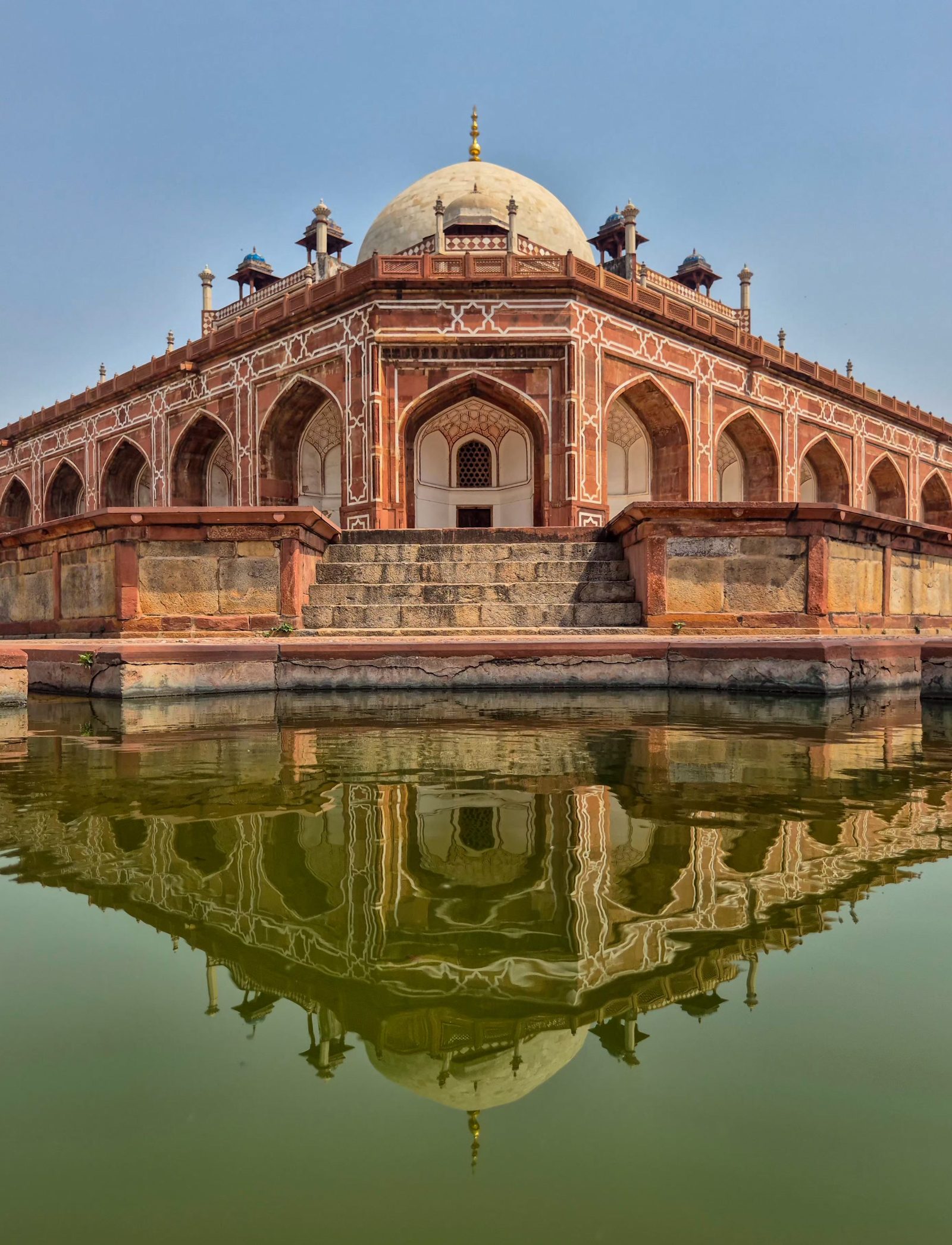
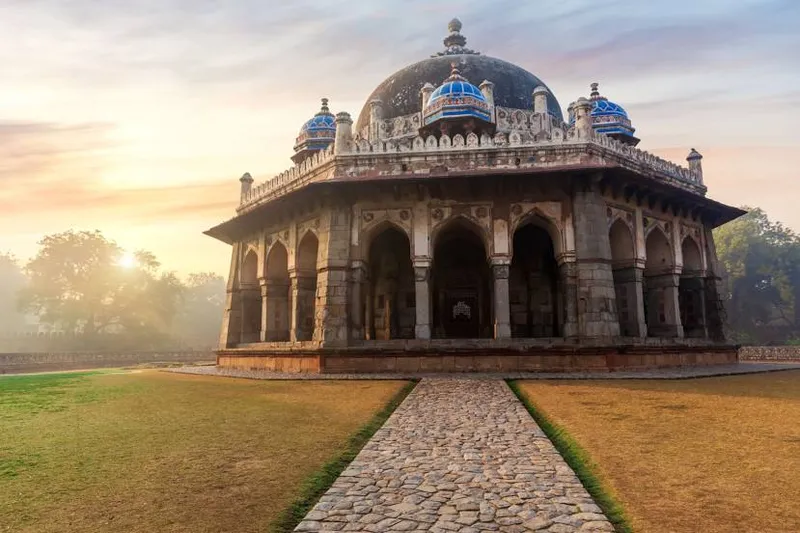
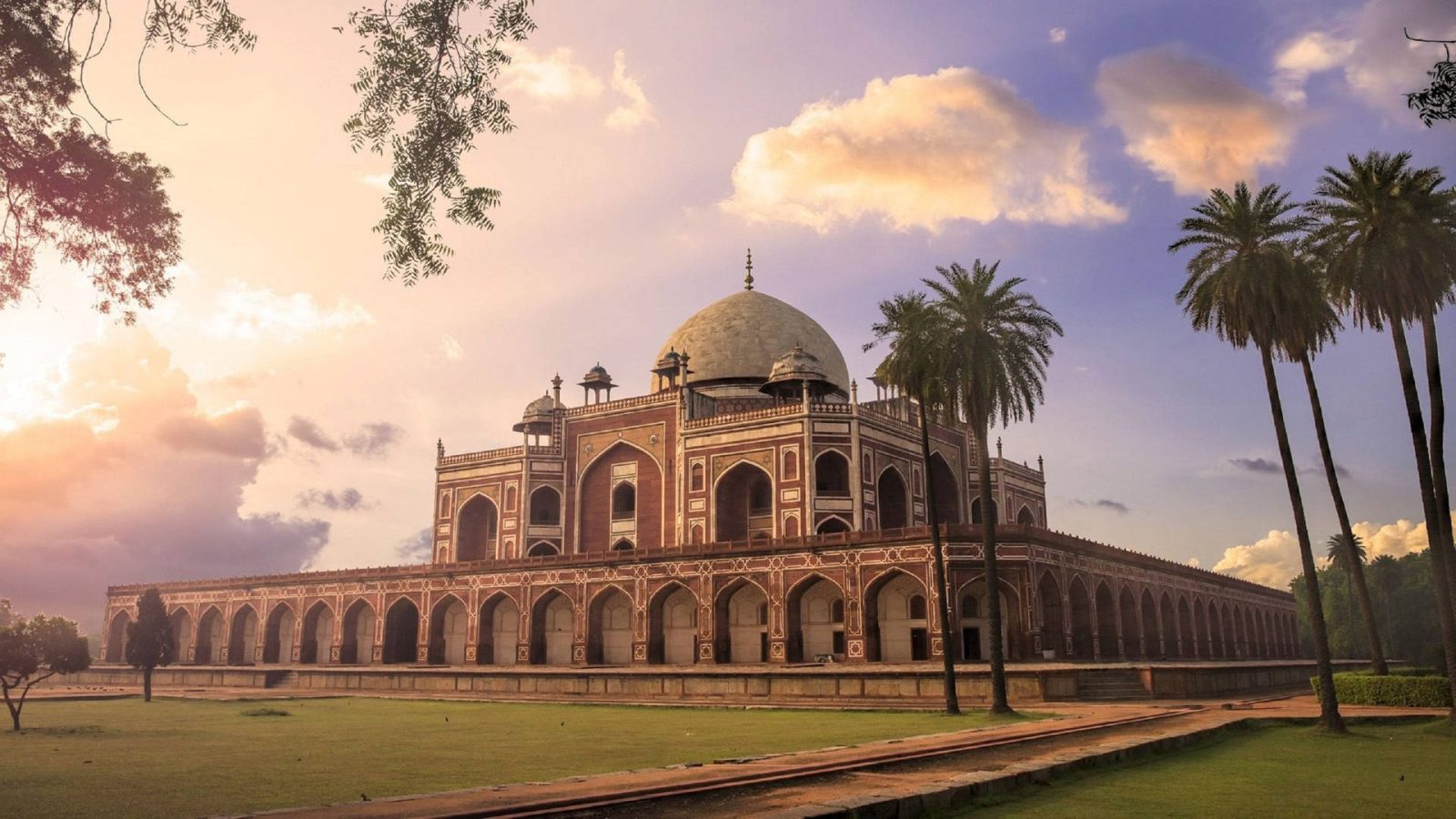
The architecture rewards patience. The plinth carries 124 arched cells; the octagonal chamber above holds a cenotaph aligned north-south, with the actual grave in the crypt below. The double dome — an inner shell for interior proportion, an outer for silhouette — rises 42.5 metres and wears a marble skin, unusual for its period, topped by a brass finial. Jaali screens filter Delhi's harsh light into geometry on the floor. Look for the char-bagh's causeways, the Barber's Tomb in the southeast quadrant, and Isa Khan's octagonal enclosure near the entrance, which predates the main mausoleum by twenty years.
Most Delhi landmarks are approached as photo stops. This one asks for slower reading. A Humayun's Tomb Tickets tour that includes the outer enclosures — Afsarwala, Nila Gumbad, Arab Serai — reveals a cemetery city rather than a single building, and explains why Persian, Timurid, and local Indian craft traditions met here first before travelling south to Agra.

It is a dynastic necropolis disguised as a garden — the dormitory of the House of Timur.
Modest, loose-fitting clothing that covers shoulders and knees is recommended for comfort in the sun rather than any enforced rule, since Humayun's Tomb is a heritage monument rather than an active shrine. Closed-toe walking shoes help on the uneven sandstone flooring inside the mausoleum chamber and around the char-bagh garden pathways.
Every visitor passes through a metal detector and bag scan at the main western gateway before entering the char-bagh gardens. Large backpacks, suitcases, and hard cases are not permitted past the security point and should be left with your hotel or vehicle, since there is no formal cloakroom on site.
Personal photography and smartphone video are free for all ticket holders throughout the gardens, gateway, and main mausoleum platform. Tripods, drones, and professional or commercial camera rigs require separate prior permission from the Archaeological Survey of India and are not covered by a standard entry ticket.
Children aged 15 and under enter free with an adult ticket, and the flat garden paths suit strollers as far as the plinth steps. Keep young children away from the unguarded plinth edges and open stepwells near Isa Khan's Tomb.
The main pathways from the western gate through the char-bagh gardens are paved and largely wheelchair passable, with ramps at the principal entrance. The raised plinth of the tomb itself is reached by stone steps on all four sides, and no lift or ramp currently serves the upper chamber.
No food, drink, or outside snacks may be carried past the security checkpoint into the monument grounds. A small drinking-water bottle is generally permitted, and there is no restaurant or cafe inside the ticketed complex itself.
Slightly quieter than weekend mornings
Busiest day, tour groups from 09:30
Families and domestic visitors peak midday
Hours
Open daily 06:00–18:00, gates close sharp at 18:00;location
Opening hours
06:00 – 18:00
Getting there
City-center access via metro and bus
Accessibility
Most experiences are wheelchair-friendly — check individual tours
What to bring
Comfortable shoes, water, phone for mobile voucher
Public transport · 20-30 min from central Delhi · Metro fare approx. 20-40 INR plus 20-50 INR auto;Car
Take the Violet Line to JLN Stadium Metro Station, exit Gate 4, then a 6-7 minute auto-rickshaw ride or roughly 20-25 minute walk reaches the monument; Hazrat Nizamuddin (Pink Line) is a shorter walk of 5-10 minutes.
Booking through the official ASI portal locks in a fixed date and time slot, and the 600 INR gate fee (or its online equivalent) is generally non-refundable once issued. Unused or mistimed Humayun's Tomb Tickets cannot be exchanged for a different day at the counter, so double-check your date before paying.
Recommended time
1.5-2.5 hours
Most people cover Humayun's Tomb Tickets and the surrounding archaeological park in under two and a half hours: roughly 45-60 minutes for the main tomb chamber and terrace, and another hour drifting through the char-bagh gardens, Isa Khan's tomb, and the outer gates. Add 30 minutes if you're photographing seriously or reading every interpretive panel; subtract time if you're just doing a quick walk-through of the central mausoleum. Queues are short before 08:30, since bus tour groups and school parties tend to land mid-morning and stay until early afternoon, so the gap between the main tomb (usually crowded first) and the quieter park corners (which fill up later) widens as the day goes on.
Crowd levels through the day
Weather · crowds · average price — dots go green to amber to red as each metric rises.
Daytime temperatures sit around 15-22°C, making this the most comfortable season for garden walks and the busiest tourist months alongside the Republic Day period.
Since Humayun's Tomb Tickets are timed only loosely by the ASI portal, arriving right at 06:00 avoids both heat and the mid-morning tour-bus surge.;Use Gate 4 at JLN Stadium
Humayun's Tomb, Mathura Road, Nizamuddin East, New Delhi 110013
Main visitor entry and security screening point
Get directionsHumayun died in January 1556, falling down the stone stairs of his library at Purana Qila. His widow, Bega Begum — later titled Haji Begum after her pilgrimage to Mecca — commissioned the mausoleum that now anchors most Humayun's Tomb Tickets tours. Construction began in 1565, nine years after the emperor's death, on a site beside the Yamuna chosen for its proximity to the shrine of the Sufi saint Nizamuddin Auliya. The work concluded around 1572. Bega Begum is believed to have funded it from her own resources, an unusual act of patronage for the period. The architect was Mirak Mirza Ghiyas, a Persian from Herat, assisted after his death by his son Sayyid Muhammad. Their design fused Timurid Persian geometry with Indian materials and craft. Red sandstone from Rajasthan carries inlays of white and black marble. The double dome — an outer shell and an inner ceiling, separated by a void — was the first of its scale in India. Below it stretches the char bagh, a four-part garden divided by water channels, likewise the earliest of its kind on the subcontinent. Visitors buying Humayun's Tomb Tickets tickets are entering the prototype that architects of the Taj Mahal would refine some eighty years later. Decline followed the Mughal collapse. The gardens were planted with vegetables by the nineteenth century. In September 1857, the last emperor, Bahadur Shah Zafar, took refuge in the tomb during the uprising; Captain William Hodson seized him here and shot his sons nearby. During Partition in 1947, the complex sheltered refugee camps, and the gardens suffered further. Restoration under Lord Curzon began in 1903. UNESCO inscribed the site as a World Heritage monument in 1993. From 1997, the Aga Khan Trust for Culture worked with the Archaeological Survey of India on garden restoration, completed in 2003, followed by a six-year conservation of the tomb itself finished in 2013 — a million man-days of craft labour, one million kilograms of lime plaster, and the removal of twentieth-century concrete from the dome. A Humayun's Tomb Tickets tour today crosses the West Gate into a complex holding over a hundred graves, including Isa Khan's octagonal tomb, which predates the mausoleum by two decades. Among Delhi landmarks, few carry so much recovered fabric.
Emperor Humayun dies after falling from his library staircase at Purana Qila in Delhi.
Bega Begum commissions the mausoleum and construction begins under architect Mirak Mirza Ghiyas.
Work concludes on the double-domed tomb and its surrounding char bagh garden.
Bahadur Shah Zafar shelters in the tomb before his capture by Captain William Hodson.
Restoration of the neglected gardens is undertaken during Lord Curzon's viceroyalty.
The complex houses Partition refugee camps, causing further damage to the grounds.
UNESCO inscribes Humayun's Tomb as a World Heritage Site.
The Aga Khan Trust for Culture and ASI complete a six-year conservation of the tomb.
Stand just inside the western entrance pishtaq and frame the tomb straight down the central water channel of the charbagh, with the double dome rising symmetrically at the far end. This axial line is the classic first view every visitor photographs. Keep to the raised stone walkway for an unobstructed, level sightline.
Climb to the elevated main platform surrounding the mausoleum and shoot close on the red sandstone jali (lattice) screens and arched facades of the tomb chamber. The carved stone patterns throw strong shadows in low-angle sun, and the platform edge gives an open view over the charbagh below. If you're comparing Delhi landmarks tour options built around Mughal-era ticketed sites, the platform view is the one worth prioritizing when booking Humayun's Tomb Tickets.
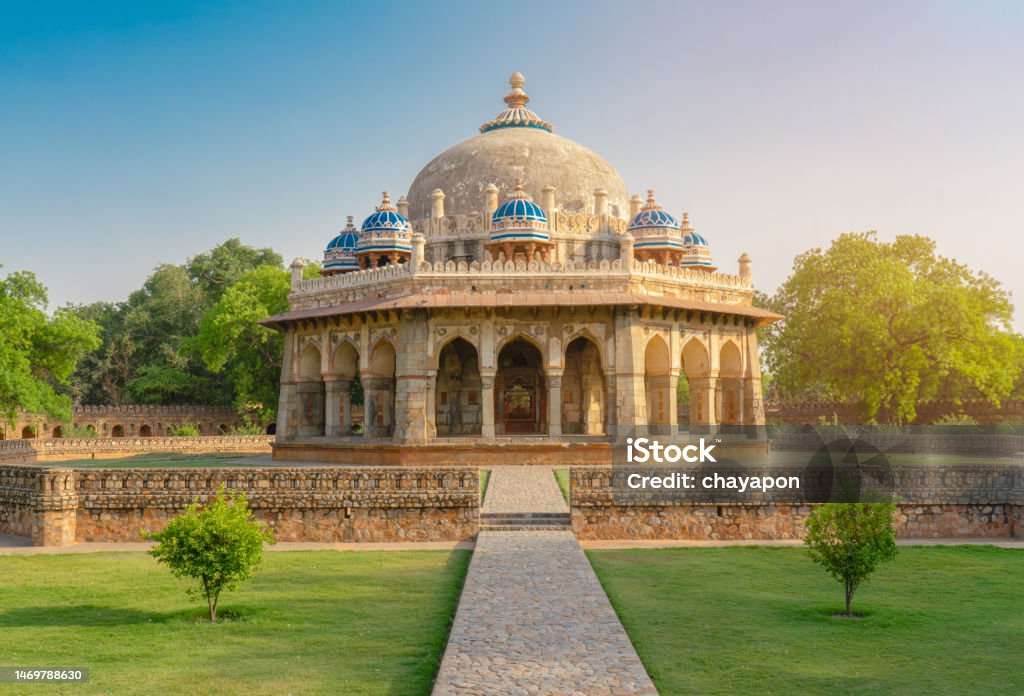
Just inside the entrance, this octagonal tomb and its attached mosque sit within their own walled garden, giving a quieter, self-contained frame separate from the main mausoleum crowd. The blue-tiled dome accents and pre-Mughal arches photograph well against the enclosure's own smaller charbagh. Few visitors linger here, so it stays uncrowded most of the day.
Walk around to the back of the complex near Bu Halima Garden for a side-on view of the tomb's rear facade, away from the main axial crowds. The angle shows the building's stone texture and proportions without the foreground water channel, useful for a more architectural, uncluttered composition.
From the raised platform of Nai-ka-Gumbad (Barber's Tomb) inside the charbagh, look back toward the main mausoleum for an off-axis angle with the smaller red sandstone tomb in the foreground. It's a compact composition that pairs two structures in one frame.
Visiting Humayun's Tomb with children means navigating uneven stone steps, raised platforms, and a large garden complex on foot, so plan for slower movement rather than a quick walkthrough. Booking Humayun's Tomb Tickets in advance still leaves you with real walking, but the payoff is space for kids to roam.
Main pathways in the Char Bagh gardens are wide and manageable, but the tomb platform itself is reached via uneven, high stone steps with no ramp, so plan to carry toddlers up that final stretch.
Children aged 6 and up generally cope better with the steps, sun exposure, and open distances than toddlers, who tire quickly on the long garden walkways.
Restrooms and drinking water points exist near the entrance, but there are no dedicated baby-change facilities, so pack essentials before joining any Humayun's Tomb Tickets tour.
Budget frequent stops; the grounds are large and mostly walked, so young children need breaks every 15-20 minutes rather than one continuous loop.
Tree cover is patchy and concentrated near the outer garden paths, with little shade directly around the tomb platform, so late morning heat hits kids hardest there.
Stone garden edges and benches along the Char Bagh quadrants offer the most realistic resting points for tired children mid-visit.
There is no on-site restaurant at the monument, so most visitors either grab a quick bite at the roadside stalls near the entrance or head into Nizamuddin Basti, a few minutes' walk away, for kebabs before or after touring Humayun's Tomb Tickets sites.
A tiny Nizamuddin Basti shop famous for mutton shaami and seekh kebabs; expect just a handful of tables and a wait during lunch and dinner peaks, so it suits a sit-down detour rather than a rushed stop.
The Nizamuddin branch of Delhi's best-known Mughlai kitchen, serving mutton burra, qorma and nihari; it gets busy around lunch, so an early or late visit is easier for anyone fitting in Humayun's Tomb Tickets tours the same day.
A basti institution since 1957 known for nihari, korma and Thursday-Sunday biryani specials; simple seating and quick service make it workable for a fast meal between sights.
A Khan Market favourite for mutton and paneer rolls, popular with the after-visit crowd heading toward Lodhi Colony cafes; queues build around peak lunch hours.
A relaxed multi-outlet café known for pasta, pizza and cheesecake, good for a slower sit-down meal after Humayun's Tomb Tickets rather than a quick snack.
Real experiences from real travelers
We went just after opening and the stone was still cool underfoot before the July heat set in. Humayun's Tomb Tickets were quick to sort at the gate, and the char bagh water channels were running, which not everyone gets to see. The double dome looks smaller in photos than it does standing under it.
The whole complex turns orange about forty minutes before closing and the crowds thin out considerably. We booked skip-the-line Humayun's Tomb entry which mattered on a weekend afternoon. Isa Khan's tomb near the entrance is often walked past and it deserves a stop.
Coming from the noise of Nizamuddin, the silence inside the garden walls was the surprise. The jaali screens throw beautiful shadows across the floor in the late afternoon. Worth taking the side paths rather than only the central causeway.
The Mughal architecture is remarkable, especially the marble inlay on the red sandstone. There is very little shade on the open lawns and by midday the glare off the plinth is intense. Humayun's Tomb Tickets tickets were straightforward and the entry queue moved fast.
Standing directly beneath the double dome and looking up is the moment that stayed with me. The UNESCO World Heritage designation makes sense once you see how the whole char bagh plan holds together. Parakeets everywhere in the trees at dusk.
Late January meant clear skies and soft light on the sandstone all day. We joined one of the Humayun's Tomb Tickets tours with a guide who explained the Persian influence on the layout. The Barber's Tomb in the corner of the garden was empty and lovely.
I allowed an hour and stayed almost three. The scale of the plinth only registers when you climb the steps and see people shrunk down on the lawns below. Among Delhi landmarks this one rewards slow walking.
Visited right after the rains and the gardens were unusually lush, though some paths were muddy. Our Humayun's Tomb Tickets tour covered the smaller tombs scattered around the complex which I would have missed alone. The mausoleum against grey monsoon sky had a different mood entirely.
Every angle in this Mughal garden tomb seems deliberately aligned, and it takes a while to notice how much is mirrored. The stone inlay work near the arched entrances is finer than photographs suggest. Went early morning and had the west side almost to myself.
Arrived at opening on a warm April morning and the light on the red sandstone was soft and even. Humayun ka Maqbara is often described as the forerunner to the Taj Mahal and standing there the resemblance is obvious. Sound carries oddly inside the chamber, which was unexpected.
Everything you need to know for your journey
Humayun's Tomb is open daily from 06:00 to 18:00, with the same hours across all seven days including weekends and public holidays.
Gates close at 18:00 sharp, so visitors should plan to enter the complex at least 45-60 minutes before that to see the main mausoleum and gardens comfortably.
The main pathways and the western gateway have ramps and paved surfaces suited to wheelchairs, though the raised plinth of the tomb itself is reached only by stone steps on each side.
Large backpacks, suitcases, glass bottles, drones, and tripods without prior permission are turned away at the metal-detector checkpoint near the west gate; small bags and water bottles are fine.
Personal photography with phones and standard cameras is free for all visitors; professional rigs, tripods, and drones require separate ASI clearance.
Winter mornings between November and February draw the heaviest domestic tourism, so a 06:30-08:30 arrival window on a weekday keeps both heat and crowds manageable for skip-the-line Humayun's Tomb tickets holders.
There's no strict enforced dress code, but comfortable, modest clothing and closed-toe shoes make the walk through the gardens and plinth steps easier in Delhi's climate.
Outside food is not permitted past security, though a small personal water bottle is generally allowed; there is no cafe inside the ticketed grounds.
The nearest metro option is JLN Stadium on the Violet Line, roughly a 20-25 minute walk or a short auto-rickshaw ride from Gate 4 to the monument's west entrance.
Children aged 15 and under enter free alongside a paying adult, and the flat garden paths make the site manageable for family visits with strollers.
Tickets booked through the official ASI portal are generally non-refundable once issued, since each booking is tied to a fixed date and visitor category.
Sunder Nursery sits a five-minute walk away, and Nizamuddin Dargah and Isa Khan's Tomb are both within a short stroll, making it easy to extend a single outing into a broader Delhi landmarks tour.
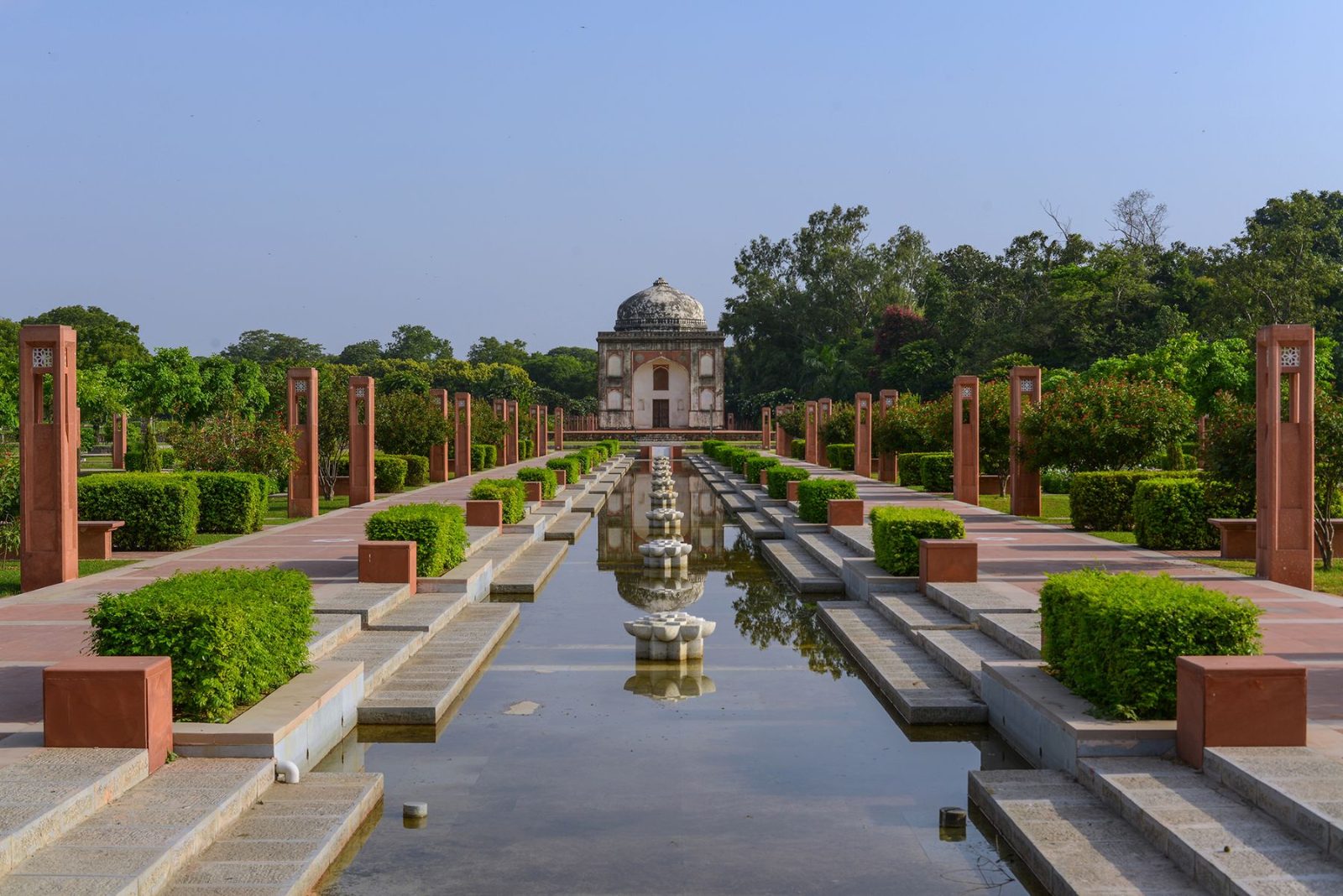
A restored 16th-century heritage park adjoining the tomb complex with tree-lined avenues, a micro-forest, and several minor Mughal-era tombs.
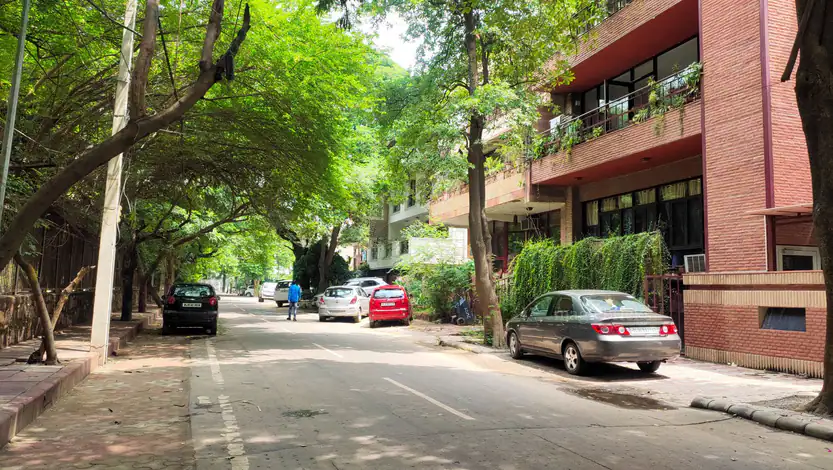
A quiet residential pocket with several serviced apartments and guesthouses within easy reach of the monument gate.
Join thousands of happy travelers who have discovered this incredible experience
Book Your Experience Now